Risk to Resilience
Education helps children in this community move from vulnerability toward stability and opportunity.
Zoe’s Legacy and the Path Forward
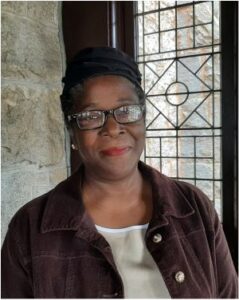
Zoe Robinson was born in Liberia and, as a child, fled the country with her mother during the civil war. She later settled in the United States, but her faith and her connection to Liberia never faded. Even while building a life abroad, she remained closely tied to her homeland and to the belief that education was essential to rebuilding communities affected by conflict.
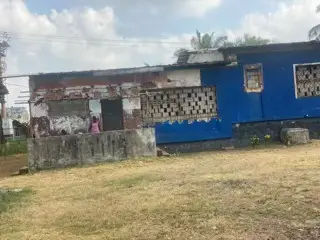
In 2017, Zoe returned to her family’s property in Liberia and encountered children in the surrounding community who were unable to attend school simply because no school was available to them. In response, she converted an existing building into a free Christian school, naming it the Melvin B. Tolson School. What began as a modest effort quickly became a place of learning and stability for children who otherwise had no access to education.
By 2019, the school was serving approximately 100 students. During the COVID-19 years, however, the building deteriorated and enrollment declined. By 2022, fewer than half of those students remained. The need had not diminished, but sustaining the school without reliable support had become increasingly difficult.
Throughout these challenges, Zoe held firmly to the belief that education was not only a path forward for individual children, but a foundation for long-term stability, opportunity, and hope within the community.
Zoe had big dreams but limited means
Zoe’s vision for the school was clear, but the resources available to sustain it were always limited. She relied on personal savings, small donations, and faith that the work would continue, even as the needs around her grew.

Zoe Robinson
The History of the Liberian School for Needy Children
The Liberian School for Needy Children (LSFNC) was established in August 2022 to help ensure the long-term stability of the school Zoe had started. After learning about the challenges the school faced, Paul Sardelli worked with Zoe to create a U.S.-based nonprofit that could provide structure, oversight, and sustained support.
From the beginning, LSFNC focused on strengthening the school’s foundation by funding teacher salaries, supporting a daily feeding program, and raising resources to ship a container of donated books for a future school library. Its role has been to support the school’s mission while helping ensure continuity and accountability beyond any single individual.
Key moments
- 2017
Zoe Robinson returned to her family’s property in Liberia and opened a small, free Christian school for children who had no access to education. The school was named the Melvin B. Tolson School. - 2019
The school grew to serve approximately 100 students, becoming a steady presence in the community and a place of learning and care for children from nearby families. - 2020–2021
During the COVID-19 years, the building deteriorated and enrollment declined as resources became increasingly strained. - 2022
Enrollment dropped to about 50 students. That same year, the Liberian School for Needy Children (LSFNC) was established to help provide structure, oversight, and long-term support. - Late 2024
Zoe Robinson passed away, a loss felt deeply by her family, students, and community. - 2025
LSFNC partnered with Hilltop Schools. The school was renamed Zoe Robinson Academy, and renovations began with the goal of restoring enrollment and strengthening the school’s future.
Where the school stands today
After Zoe Robinson’s passing, the responsibility to carry her vision forward became shared. In 2025, the Liberian School for Needy Children partnered with Hilltop Schools to provide on-the-ground leadership, educational expertise, and day-to-day management of the school.
The school was renamed Zoe Robinson Academy in her honor, and work began to restore and strengthen the learning environment. Renovations began, enrollment is being rebuilt, and the focus is now on creating a stable, well-run school that can serve children in the community for years to come.
To learn more about the school as it operates today — including facilities, programs, and daily life on campus — visit the School Page →
Our work is guided by clear standards that keep roles distinct, decisions consistent,
and accountability transparent.